
Views: 0 Author: Site Editor Publish Time: 2026-02-11 Origin: Site
Nitinol stands out as a remarkable alloy in the medical field. Its superelasticity supports devices that must adapt to complex anatomical structures during minimally invasive procedures. Recent studies highlight how nitinol components withstand up to 400 million cycles of arterial pressure, improving reliability and patient outcomes. The market for nitinol medical devices continues to expand, driven by innovation and demand for advanced technology.
ZHP Medical leads the industry with high-quality nitinol solutions, meeting rigorous standards for shape memory and durability.
Metric | Value |
|---|---|
Projected CAGR | |
Expected CAGR (2025-2035) | 5.4% |
Unlocking the Potential: The Shape-Shifting Magic of Nitinol Alloy is not just a phrase—it describes how unique properties are transforming care and device performance.
Nitinol is a unique nickel-titanium alloy known for its shape memory and superelastic properties, making it ideal for medical devices.
The shape memory effect allows nitinol devices to adapt to body conditions, enhancing performance in minimally invasive procedures.
Superelasticity enables nitinol to stretch and bend without permanent deformation, crucial for devices like stents and guidewires.
Nitinol's durability allows it to withstand over 400 million cycles of arterial pressure, ensuring reliability in medical applications.
Biocompatibility of nitinol reduces complications and supports better healing, making it a preferred choice for long-term implants.
Advanced manufacturing techniques, such as laser cutting and heat treatment, enhance the performance and safety of nitinol products.
Nitinol's flexibility and adaptability improve patient comfort and outcomes in various medical applications, from cardiovascular devices to orthopedic implants.
Future innovations in nitinol include personalized medical devices and smart technologies that enhance patient care and treatment efficiency.
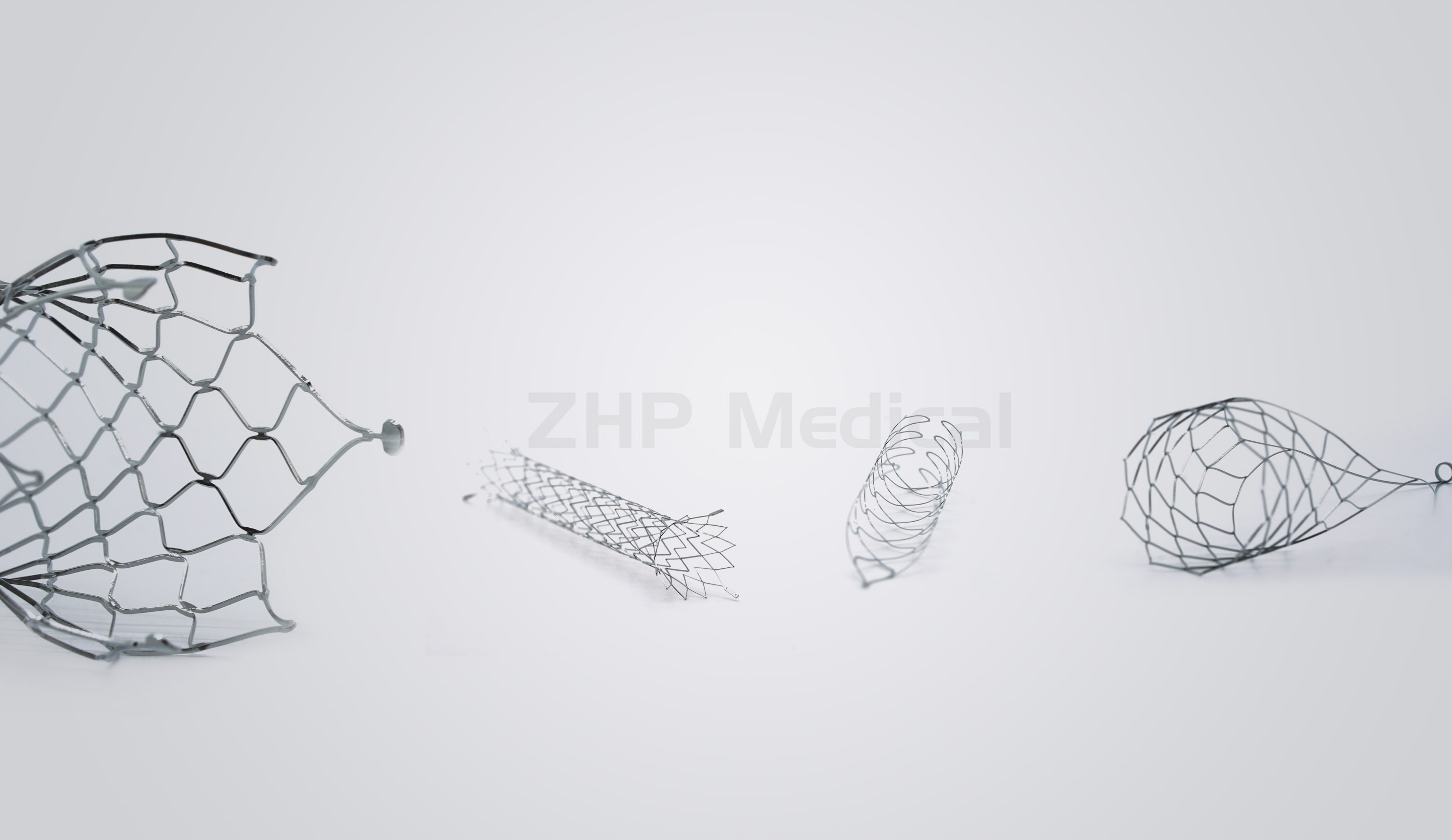
Nitinol is a shape memory alloy that can return to its original form after being deformed. This shape memory effect is possible because of changes in the crystal structure when the material is heated or cooled. Devices made from nitinol adapt to physiological conditions, which enhances their performance in medical applications. The ability to change shape in response to temperature gives nitinol unique advantages in fields like orthopedics and vascular interventions. Minimally invasive procedures benefit from this property, making them less traumatic for patients.
The shape memory effect allows nitinol devices to fit into small spaces and then expand or contract as needed, improving patient comfort and outcomes.
Superelasticity is another remarkable feature of nitinol. When nitinol is in its austenite phase, it can stretch and bend significantly without permanent deformation. This means the material can absorb energy and return to its original shape, even after being subjected to stress. Superelastic properties are essential for medical devices that must endure repeated movement and pressure. For example, nitinol stents and guidewires can flex inside the body and maintain their function over time.
Property | Description |
|---|---|
Shape Memory Effect | The shape memory effect is due to the change in crystal form as the material is heated or cooled, which is a defining characteristic of nitinol. |
Superelasticity | Nitinol exhibits superelastic behavior, allowing it to undergo significant deformation without permanent change when in its austenite phase. |
Shape Memory Characteristics | The ability to return to a pre-defined shape after deformation is a key feature of nitinol, setting it apart from other shape memory alloys. |
Unlocking the potential: the shape-shifting magic of nitinol alloy depends on its ability to switch between two main phases: austenite and martensite. At higher temperatures, nitinol stays in the austenite phase, which is stable and provides superelastic properties. This phase lets the material endure stress and return to its original form. At lower temperatures, nitinol enters the martensite phase, which is more flexible and can deform under stress. This flexibility is crucial for devices like stents and wires that need to adapt to changing conditions inside the body.
Phase | Characteristics | Influence on Mechanical Behavior |
|---|---|---|
Austenite | Stable at higher temperatures, provides superelasticity | Allows the material to endure significant stress and return to its original form without permanent deformation. |
Martensite | Occurs at lower temperatures, more malleable | Can deform under stress, crucial for applications requiring flexibility and shape memory, such as stents and wires. |
R-phase | Intermediate phase between austenite and martensite | Influences the microstructure and mechanical properties during temperature changes, affecting overall performance. |
The phase transformation in nitinol is not only temperature-dependent but also stress-dependent. When stress is applied to nitinol in the austenite phase, it temporarily shifts to the martensite phase. This transformation allows the material to absorb energy and deform without permanent damage. Once the stress is removed, nitinol returns to its original shape, demonstrating superelastic properties. Advanced testing methods, such as ultrasonic fatigue testing and X-ray diffraction, show that nitinol can stretch and revert up to 13% due to these stress-induced phase changes. Real-time observations confirm that the transformation between austenite and martensite is rapid and reversible, which is essential for the durability of medical devices.
Evidence Type | Description |
|---|---|
Ultrasonic Fatigue Testing | Demonstrates how the speed and force of pulling affect the phase change in nitinol. |
X-ray Diffraction (XRD) | Validates that stress can induce the transformation from austenite to martensite. |
Superelasticity Tests | Illustrate that nitinol can stretch and revert up to 13% due to stress-induced phase changes. |
ZHP Medical uses advanced manufacturing techniques to harness the unlocking the potential: the shape-shifting magic of nitinol alloy. The company sources high-quality raw materials and applies heat treatments like solution annealing and aging to achieve the desired mechanical properties. Precision shaping is accomplished through laser cutting and micro-machining. Surface treatments such as electropolishing and passivation improve biocompatibility and corrosion resistance. Multi-dimensional testing and real-time inspection ensure consistent quality for every batch. These processes allow ZHP Medical to deliver nitinol products with reliable superelastic properties and shape memory effect, meeting the demands of modern medical devices.
ZHP Medical’s expertise in nitinol metallurgy ensures that every product offers optimal performance, biocompatibility and corrosion resistance, and durability for critical medical applications.
Property | Description |
|---|---|
Phase Transformation | Nitinol undergoes a phase transformation from austenite (high temperature) to martensite (low temperature), which is fundamental to its unique properties. |
Crystal Structure Change | The transition from an ordered cubic crystal form (austenite) to a monoclinic crystal phase (martensite) is key to its shape memory capabilities. |
Temperature Sensitivity | The transformation temperatures (Af and Mf) are critical for the shape memory effect to occur, distinguishing nitinol from other alloys. |
Unlocking the potential: the shape-shifting magic of nitinol alloy continues to drive innovation in medical technology. The combination of shape memory effect, superelasticity, and superelastic properties makes nitinol a preferred material for devices that require flexibility, durability, and biocompatibility and corrosion resistance. ZHP Medical’s commitment to quality and precision ensures that healthcare professionals receive the best materials for their needs.
Nitinol stands out in the world of medical devices because of its unique properties. Superelasticity allows nitinol to stretch and bend without permanent deformation. This flexibility is essential for devices that must navigate complex anatomical pathways. Medical professionals rely on nitinol for self-expanding stents, guidewires, and orthodontic tools. These devices can be inserted in a compact form and then expand to their original shape inside the body. The shape memory effect ensures that nitinol adapts to changing conditions, which improves patient comfort.
Self-expanding stents support arteries and restore blood flow.
Guidewires provide enhanced maneuverability during minimally invasive procedures.
Orthodontic archwires apply gentle, consistent forces to align teeth.
Surgical instruments, such as retrieval baskets and biopsy forceps, benefit from nitinol’s fatigue resistance and adaptability.
ZHP Medical offers a wide range of nitinol products, including wire, tubing, rope, and actuating wire. These materials are engineered for flexibility and adaptability in various medical applications. The superelastic properties of nitinol make it a preferred choice for devices that must perform reliably in dynamic environments.
Medical devices must withstand repeated use and exposure to stress. Nitinol’s durability sets it apart from traditional metals. Clinical studies show that nitinol can accommodate recoverable strain and maintain performance over time. Regulatory standards, such as ISO 5840 and USFDA guidelines, require fatigue resistance verification for extended service lives. Computational modeling and benchtop fatigue testing confirm that nitinol devices endure complex multiaxial stress states.
Study Title | Key Findings |
|---|---|
High-Durability Nitinol for Medical Devices | Demonstrated recoverable strain accommodation and advancements in minimally invasive procedures. Regulatory standards require fatigue resistance verification for extended service lives. |
Durability of Nitinol Cardiovascular Devices | Emphasized the importance of understanding loading conditions and fatigue testing. Devices must withstand complex multiaxial stress states specific to their applications. |
ZHP Medical manufactures nitinol components, such as stents, guidewires, and stone retrieval baskets, using advanced techniques. Laser cutting, heat treatment, and surface finishing enhance durability and biocompatibility. These processes ensure that nitinol products meet the highest standards for reliability in medical procedures.
The use of nitinol in medical devices leads to improved patient outcomes. The shape memory effect and superelasticity enhance device performance and integration with biological tissues. Nitinol-based devices reduce stress shielding and promote better implant-tissue integration. This results in faster recovery and fewer complications.
Nitinol’s unique properties improve device performance and patient safety.
Enhanced biocompatibility supports better healing and reduces adverse reactions.
Devices such as pulse field ablation catheters minimize patient risk by selectively targeting heart muscle cells.
Improved integration with tissues leads to more successful procedures and long-term results.
ZHP Medical’s portfolio includes nitinol wire, tube, rope, sheet, torque coil, actuating wire, stent, stone retrieval basket, guide wire, heat treatment, braiding, and biopsy device. Each product is designed to maximize biocompatibility and reliability. Medical professionals trust ZHP Medical for high-quality nitinol solutions that support positive patient outcomes.
Nitinol is a nickel-titanium alloy that has become a preferred choice for long-term implants. Its biocompatibility is a key reason for its widespread use in the medical field. Researchers have conducted both in vitro and in vivo studies to evaluate how this alloy interacts with living tissues. Laboratory tests show that treated nitinol supports cell adhesion and growth, while causing minimal cytotoxicity or inflammation. Animal studies confirm that the alloy integrates well with tissue and triggers only a mild foreign body response. Standardized testing protocols further demonstrate that nitinol meets or exceeds the requirements for safe, long-term implantation.
In vitro studies indicate that treated nitinol has minimal cytotoxicity and inflammatory responses, supporting cell adhesion and proliferation effectively.
In vivo studies show minimal foreign body reactions and good tissue integration in animal models, confirming nitinol's favorable host response.
Standardized testing protocols demonstrate that nitinol meets or exceeds biocompatibility requirements for long-term implantation.
This high level of biocompatibility helps reduce complications and supports better healing for patients.
The fatigue resistance of nitinol sets it apart from other alloys used in medical devices. Devices made from this alloy must endure millions of cycles of bending and stretching inside the body. Nitinol can withstand over 10 million load cycles without showing signs of degradation. This performance is especially important for implants that experience constant movement, such as stents and guidewires. In comparison, traditional metals like stainless steel fail at much lower cycle counts. The following table highlights the differences in fatigue resistance:
Material | Fatigue Resistance |
|---|---|
Nitinol | Superior in high-amplitude strain-controlled environments |
Stainless Steel | More rigid, less capable of handling dynamic conditions |
Nitinol wire also demonstrates excellent fatigue resistance, which is crucial for the long-term success of medical implants. This property ensures that devices remain reliable and safe throughout their intended lifespan.
Corrosion resistance is another major advantage of nitinol as an implantable alloy. The body’s internal environment can be harsh, so materials must resist corrosion to maintain their function and safety. Several studies have examined how nitinol performs in physiological solutions. Researchers have found that surface treatments, such as electropolishing, can significantly improve the corrosion resistance of this alloy. Surface preparation also plays a critical role in how well nitinol withstands exposure to body fluids. Larger surface areas and longer immersion times can affect corrosion rates, but proper processing helps maintain the alloy’s integrity.
Study Title | Focus | Findings |
|---|---|---|
Assessment of Corrosion Resistance and Metal Ion Leaching of Nitinol Alloys | Corrosion resistance and surface treatments | Investigated the effects of electropolishing and other treatments on corrosion resistance in PBS. |
The corrosion resistance of Nitinol alloy in simulated physiological solutions | Surface preparation effects | Found that surface preparation significantly affects corrosion resistance in simulated physiological solutions. |
Larger surface area can reduce nitinol corrosion resistance | Effects of test solutions | Examined how immersion time and surface area impact corrosion resistance in various test solutions. |
These findings support the use of nitinol in demanding medical environments, where both safety and durability are essential.
Nitinol has changed the way engineers design medical devices. Conventional metals, such as stainless steel and cobalt-chromium, have been used for decades. These materials offer strength and corrosion resistance, but they lack the unique properties found in nitinol. The shape memory effect and superelasticity make nitinol stand out in many applications.
Researchers have compared nitinol to traditional metals in several performance areas. The following table highlights key differences:
Performance Metric | Heat-Activated NiTi | Superelastic NiTi | Conventional Metals |
|---|---|---|---|
Alignment Efficiency | High | High | Lower |
Force Exerted | Lower | Moderate | Higher |
Clinical Handling | Easier | Good | More Difficult |
Nitinol exhibits high alignment efficiency. Devices made from this alloy can fit into tight spaces and then return to their original shape. Conventional metals do not have this ability. Shape memory allows nitinol to recover up to 2.95% of its original shape after heating and cooling cycles. This property ensures reliability in demanding medical environments.
Superelasticity is another advantage. Nitinol tubing can stretch and bend, then return to its original form. Tests show a strain recovery of about 5.2% and a tensile strength near 500 MPa. Conventional metals often deform permanently when exposed to similar stress. Nitinol maintains its shape and function, even after repeated use.
Biocompatibility is important for implants and devices that stay inside the body. Nitinol forms a protective titanium oxide layer. This layer prevents nickel release and supports healthy tissue integration. Studies confirm that nitinol does not cause allergic reactions. Conventional metals may trigger immune responses or release ions that affect tissue health.
Clinical handling is easier with nitinol. Surgeons and doctors find that nitinol devices are more flexible and adaptable. Conventional metals can be rigid and harder to manipulate. Nitinol’s unique properties improve patient comfort and reduce the risk of complications.
Nitinol’s combination of shape memory, superelasticity, and biocompatibility gives it a clear advantage over conventional metals in medical device design.
Engineers continue to choose nitinol for applications where flexibility, durability, and safety are essential. The alloy’s performance in alignment, force exertion, and clinical handling makes it a preferred material for advanced medical solutions.
Nitinol has become a vital material in the design of advanced medical devices. Its unique properties, such as shape memory and superelasticity, allow for innovative solutions in many medical applications. These features help devices perform better, last longer, and improve patient care.
Nitinol plays a key role in cardiovascular medicine. Its ability to change shape and return to its original form makes it ideal for devices that must adapt to the body’s movements.
Stents made from nitinol are widely used to open blocked arteries. These cardiovascular stents can expand on their own once inside the vessel. The shape memory effect allows them to fit into small spaces and then expand to support blood flow. This reduces the need for invasive surgery and speeds up recovery.
Guidewires are essential tools for navigating blood vessels during procedures. Nitinol guidewires offer flexibility and precision. Their superelastic properties help them bend and twist through complex pathways without breaking or losing shape. This leads to less pain, better accuracy, and faster healing for patients.
Device Type | Description | Benefits |
|---|---|---|
Self-expanding stents | Adjusts to body shape using shape memory | Avoids invasive surgeries, improves success |
Guidewires | Flexible and precise, key for less invasive procedures | Less pain, better accuracy, faster healing |
Catheters | Flexible, reduces damage during insertion | Smaller cuts, reduced scars, long-lasting strength |
Nitinol is also important in minimally invasive surgery. Its flexibility and durability make it perfect for devices that must move through tight or curved spaces.
Stone retrieval baskets use nitinol wire to capture and remove stones from the urinary tract. The wire’s flexibility allows the basket to open and close smoothly, making the procedure safer and more effective.
Biopsy devices often use nitinol tubes or needles. These tools need to be sharp, strong, and able to return to their original shape after use. Nitinol’s shape memory and adaptability help doctors collect tissue samples with less trauma to the patient.
Property | Impact on Surgery |
|---|---|
Flexibility | Enables precise navigation and accurate deployment |
Shape Memory | Allows devices to return to a predetermined shape, enhancing control |
Durability | Ensures reliability and withstands repeated use |
Adaptability | Reduces trauma during procedures, improving patient outcomes |
Nitinol’s superelasticity lets devices bend and twist without permanent deformation, making it easier to reach difficult areas.
The material’s fatigue resistance means devices can last through many uses, such as endovascular stents withstanding up to 400 million cycles of arterial pressure.
Orthopedic surgeons use nitinol in bone staples, fixation devices, and implants. The alloy’s ability to return to its original shape helps hold bones in place during healing. Its biocompatibility and corrosion resistance make it safe for long-term use inside the body.
ZHP Medical offers a wide range of nitinol products, including wire, tube, and biopsy needles. The company can customize these components to meet specific needs, ensuring the best fit for each medical device. Their expertise in manufacturing and finishing nitinol materials supports innovation across many medical applications.
Product Type | Description |
|---|---|
Nitinol Wire | Used in various medical applications, showcasing flexibility in design and function |
Nitinol Tube | Provides structural integrity and adaptability for different medical device needs |
EUS & EBUS Biopsy Needles | Features an ultra-sharp nitinol needle for smooth penetration and superior tissue sampling yield |
Nitinol’s versatility and performance continue to drive advances in medical devices, helping doctors deliver better care and improving patient outcomes.
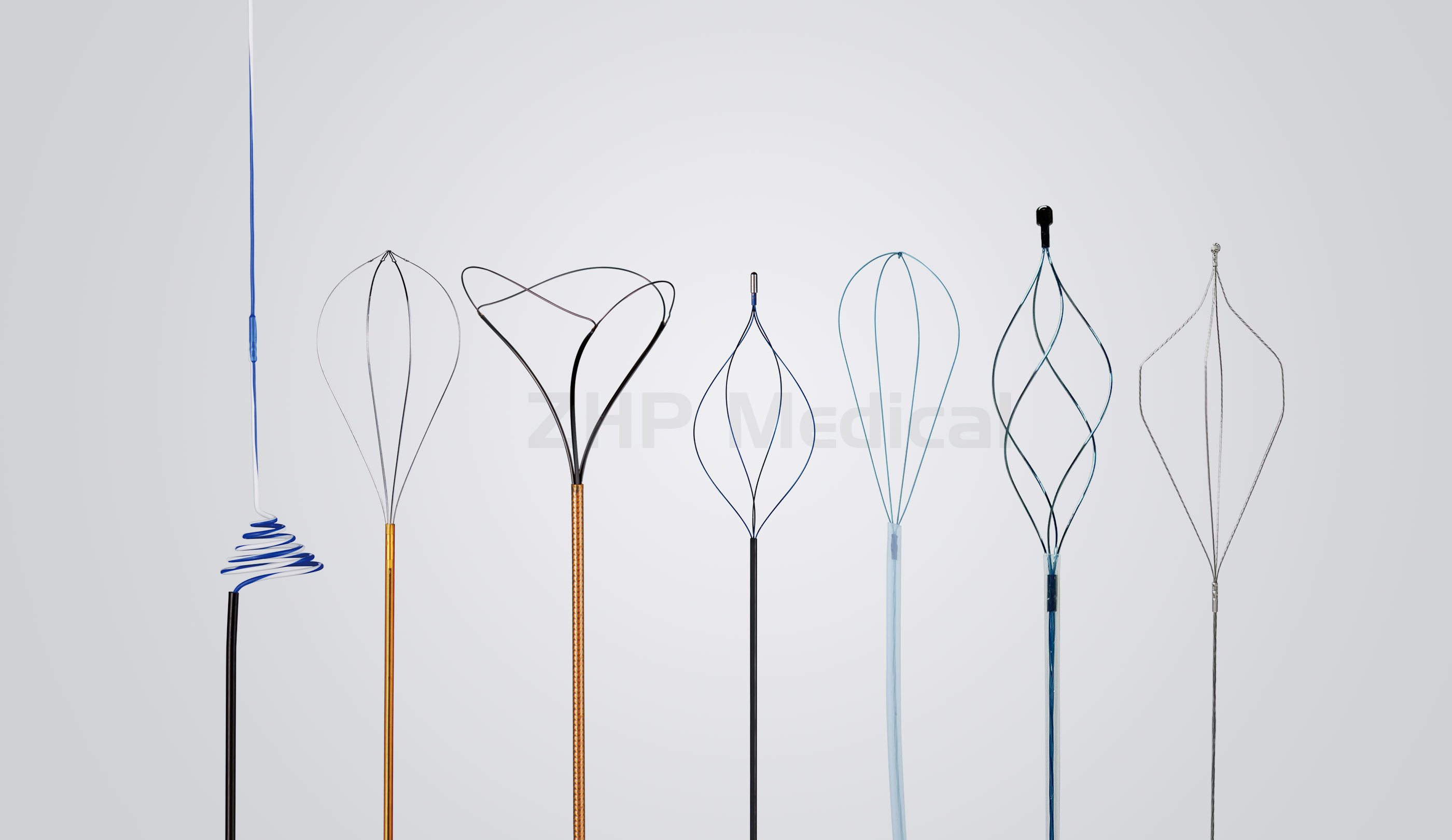
Nitinol continues to drive progress in medical device development. Researchers are exploring new ways to use nitinol in individualized atrial occluders, stents, catheters, and permanent implants. These devices benefit from nitinol’s highly elastic nature and high fatigue resistance. The material maintains desired geometry, which is important for devices that must adapt to changing conditions inside the body. Neurovascular stents, nitinol heart valve frames, orthopedic bone staples, and flexible dental drills are examples of emerging technologies. Nitinol’s elasticity allows devices to deliver constant force over a wide range of displacements. Wearable technology is also advancing, with nitinol components enabling flexible sensors and adaptive supports.
Individualized atrial occluders
Stents and catheters
Permanent implants
Neurovascular stents
Nitinol heart valve frames
Orthopedic bone staples
Flexible dental drills
Wearable technology sensors
Manufacturing processes play a crucial role in the quality and performance of nitinol medical devices. A change in nickel composition by just 0.1% can alter stiffness by over 25%. Heat treatment variations significantly impact the final properties of nitinol devices. The production of high-quality nitinol components begins with careful melting of nickel and titanium. This ensures purity and a consistent microstructure, which are essential for long-term performance. Control over the entire manufacturing process is crucial for maintaining material properties. Surface treatments minimize biofilm formation and enhance biocompatibility. Powder metallurgy produces nitinol that is more resistant to pitting corrosion compared to arc melting.
Manufacturing Process | Impact on Performance |
|---|---|
Nitinol Alloying | Improves biocompatibility and corrosion resistance |
Surface Treatment | Minimizes biofilm formation and enhances biocompatibility |
Powder Metallurgy | More resistant to pitting corrosion compared to Arc Melting |
Advanced nitinol alloys are being developed with better fatigue resistance, biocompatibility, and corrosion resistance. Surface modification techniques, such as biocompatible coatings, improve device safety and reduce infection risks. 3D printing allows for complex, customized designs that traditional methods cannot achieve. Smart nitinol devices integrate sensors to monitor health parameters and provide targeted therapies. Bioabsorbable copolymers create temporary devices that dissolve in the body. Artificial intelligence enhances design, maintenance, and delivery, improving outcomes and cost efficiency.
Custom nitinol solutions meet unique clinical requirements. Stents use superelasticity to compress for insertion and then expand to support arteries. Dentistry relies on nitinol’s shape memory for arch-wires in braces, which provide effective tooth movement. Aspiration catheters use nitinol’s flexibility to access difficult areas in the brain for quick clot removal. Orthopedic implants adapt to patient tissue, enhancing flexibility and range of motion in joint replacements.
Application | Description |
|---|---|
Stents | Nitinol's superelasticity allows stents to be compressed for insertion and then expand to support arteries. |
Dentistry | Nitinol's shape memory is ideal for arch-wires in braces, providing effective tooth movement. |
Aspiration Catheters | Nitinol's flexibility enables catheters to access difficult areas in the brain for quick clot removal. |
Orthopedic Implants | Nitinol adapts to patient tissue, enhancing flexibility and range of motion in joint replacements. |
ZHP Medical supplies medical-grade nitinol tubing and components for a wide range of medical applications. Their focus on high-quality products and specific sizes shows a commitment to innovation in nitinol-based medical technologies. ZHP Medical’s expertise in phase transformation and manufacturing ensures that each product meets the demands of modern healthcare. The company supports ongoing research and offers tailored solutions for new medical devices, including those used in wearable technology. As phase transformation science advances, ZHP Medical remains a leader in developing materials that improve patient care.
Nitinol has transformed medical device innovation by enabling a wide range of applications. Its shape memory and superelasticity drive new applications in neurovascular stents, heart valve frames, and orthopedic tools. These applications allow devices to endure deformation and improve surgical outcomes. Nitinol-based applications in endoscopic surgery lead to faster recovery and greater patient comfort. Understanding superelasticity and material science is essential for advancing applications in healthcare. ZHP Medical offers advanced nitinol solutions for diverse applications. Future opportunities include bioresorbable stents and catheter reinforcement, expanding the possibilities for applications in personalized medicine and efficient device production. The ongoing exploration of nitinol ensures that new applications will continue to enhance patient care.
Nitinol is a metal alloy made from nickel and titanium. It shows unique properties like shape memory and superelasticity. These features make nitinol useful in medical devices.
Nitinol can return to its original shape after being bent or stretched. Heating the alloy triggers this effect. Medical devices use this property to fit into tight spaces and then expand.
Superelasticity lets nitinol stretch and bend without permanent damage. Devices made from nitinol can move through the body easily. This improves patient comfort and device performance.
Nitinol is biocompatible. It does not cause harmful reactions in the body. Surface treatments improve its safety and reduce the risk of corrosion.
Doctors use nitinol in stents, guidewires, stone retrieval baskets, and biopsy devices. Orthopedic implants and dental tools also use nitinol for flexibility and durability.
ZHP Medical uses advanced manufacturing and testing methods. The company applies heat treatments, laser cutting, and surface finishing. These steps guarantee high-quality nitinol materials and components.
Yes. Nitinol devices can be tailored for specific medical needs. ZHP Medical offers custom sizes and shapes for wires, tubes, and components.
Nitinol offers shape memory, superelasticity, and high fatigue resistance. It is more flexible and durable than stainless steel or cobalt-chromium. These advantages improve device performance and patient outcomes.


