
Views: 0 Author: Site Editor Publish Time: 2026-02-11 Origin: Site
Many people ask, what is shape memory alloy/nitinol? These materials can change shape when heated or cooled and return to their original form. In 2026, the answer to what is shape memory alloy/nitinol? matters more than ever. The global market for these materials continues to grow rapidly. Experts project that the market will reach nearly USD 20.9 billion by 2026, with a strong annual growth rate. More industries want to know what is shape memory alloy/nitinol? because these materials help develop lighter cars and make medical devices safer. Hospitals and manufacturers rely on what is shape memory alloy/nitinol? for minimally invasive procedures. If you wonder what is shape memory alloy/nitinol?, you are not alone. The rising demand for shape memory alloys shows their value in today’s world.
Shape memory alloys, like nitinol, can change shape when heated or cooled, returning to their original form.
The global market for shape memory alloys is expected to reach nearly USD 20.9 billion by 2026, driven by demand in various industries.
Nitinol is known for its unique properties, including superelasticity and biocompatibility, making it ideal for medical devices.
The manufacturing process of nitinol involves precise techniques, ensuring high purity and performance for applications in medicine and robotics.
Nitinol's shape memory effect allows it to recover from deformation, which is crucial for devices like stents and guidewires.
Superelasticity enables nitinol to withstand significant bending and stretching without permanent damage, enhancing its durability.
Nitinol is increasingly used in consumer products and robotics, providing innovative solutions that require flexibility and strength.
Future trends indicate that nitinol will play a key role in advanced medical applications and smart technologies, improving patient outcomes and device performance.
Shape memory alloys are a special group of metals that can return to their original shape after being deformed. This happens when the material is heated or when stress is removed. These alloys have two main characteristics: pseudo-elasticity and the shape memory effect. Unlike traditional metals, shape memory alloys can recover from large strains. This makes them useful in many industries.
Shape memory alloys can:
Undergo significant deformation and return to their original shape.
Show pseudo-elasticity, which means they can stretch and bounce back.
Be made from different metals, such as nickel-titanium (nitinol) and copper-based alloys.
Serve in aerospace, medical devices, and consumer products.
Shape memory alloys are made using advanced techniques. Manufacturers use vacuum arc melting or induction melting to create pure alloys. The metal is then hot rolled and drawn into wire. The final step is training the alloy by heating it to high temperatures. This process helps the alloy remember its shape.
Shape memory alloys are different from regular metals. They can change shape and recover because of a special phase transformation inside the material. This transformation does not happen in most other alloys.
Nitinol is the most popular shape memory alloy. It is made from nickel and titanium, usually in equal amounts. The name "nitinol" comes from its elements (Nickel Titanium Naval Ordnance Laboratory). Nitinol stands out because of its unique properties.
The manufacturing process for nitinol involves several steps:
Melting: Nitinol ingots are made in a high-vacuum environment using vacuum induction melting or vacuum arc remelting.
Hot Rolling: The ingots are rolled at temperatures between 100°C and 950°C.
Cold Working: The alloy is shaped into rods, wires, or sheets.
Heat Treatment: The material is annealed or aged at controlled temperatures.
Nitinol contains high-purity nickel and titanium. These metals are combined in a near-equal ratio. This combination gives nitinol its special abilities.
Nitinol is used in many fields. It is common in medical devices, such as stents and guide wires. It is also found in robotics, eyeglass frames, and other products that need flexibility and strength.
Nitinol and other shape memory alloys have several key features that make them valuable. These features set them apart from traditional metals.
Feature | Description |
|---|---|
Superelasticity | Nitinol can bend or stretch and return to its original shape under normal conditions. |
Shape Memory Effect | The material changes shape when heated or cooled, which is important for medical and industrial uses. |
Biocompatibility | Nitinol is safe for use in the human body and does not cause harmful reactions. |
Durability | High strength and resistance to fatigue and corrosion make nitinol reliable for long-term use. |
Nitinol also has unique material properties that make it different from other metals. These include:
Shape memory effect: Nitinol can remember and return to a set shape when heated.
Superelasticity: The alloy can undergo large deformations and recover without permanent damage.
Biocompatibility: Nitinol works well with living tissues, which is why it is used in medical implants.
Strength and ductility: Nitinol combines high strength with flexibility.
Fatigue resistance: The alloy can handle repeated stress without breaking down.
When compared to traditional metals, nitinol and other shape memory alloys show clear advantages:
Property | Shape Memory Alloys (Nitinol) | Traditional Metals |
|---|---|---|
Superelasticity | Yes | No |
Shape Memory Effect | Yes | No |
Deformation Recovery | Full recovery after heating | Limited recovery |
Strain Resistance | High (up to 8% or more) | Lower |
Thermal Energy Conversion | Effective | Not common |
These properties explain why nitinol is used in so many advanced applications. Its ability to recover shape, resist fatigue, and work safely in the body makes it a top choice for engineers and doctors.
Shape memory alloys, such as Nitinol, rely on a unique phase transformation to achieve their remarkable properties. This transformation occurs between two solid phases: austenite and martensite. The process is not like melting or dissolving. Instead, it involves a change in the arrangement of atoms within the solid metal. This change is responsible for the shape memory effect and the ability to recover from deformation.
Martensitic phase transformations involve both thermal and volumetric effects.
The transformation starts with the formation and growth of nuclei, which are influenced by crystal defects in the parent phase.
The process is non-diffusive, so atoms do not randomly move across the interface.
The new martensite phase keeps the chemical composition and atomic order of the parent phase, but the atoms shift in an ordered way.
This shift causes lattice strain, which leads to visible changes in shape.
The shape memory effect allows the alloy to return to its original shape when heated, showing the reversible nature of the transformation.
Austenite is the high-temperature phase of shape memory alloys. In this phase, the metal has a more ordered and symmetrical crystal structure. Austenite is stable at higher temperatures and gives the alloy its original, "remembered" shape. When the alloy is in the austenite phase, it can undergo large deformations and still return to its original form when the stress is removed or when it is heated.
Martensite forms at lower temperatures or when stress is applied. The crystal structure becomes less symmetrical and more flexible. In this phase, the alloy can be easily deformed. The atoms shift in a coordinated way, which allows the material to bend or stretch. When the alloy is heated, the martensite transforms back into austenite, and the original shape is restored.
Example | Mf (°C) | Mp (°C) | Ms (°C) | As (°C) | Ap (°C) | Hysteresis (°C) | Temp. Span (°C) |
|---|---|---|---|---|---|---|---|
1 | -53 | -40 | -33 | -24 | -14 | 26 | 48 |
2 | -45 | -30 | -24 | -15 | -3 | 27 | 53 |
3 | -3 | +3 | +6 | +23 | +30 | 27 | 38 |
4 | 24 | 31 | 36 | 54 | 66 | 35 | 45 |
5 | 59 | 68 | 79 | 100 | 114 | 46 | 62 |
Note: The table above shows the temperature ranges for phase transformation in Nitinol. The values represent the start and finish temperatures for martensite and austenite phases, as well as the temperature span and hysteresis.
Superelasticity is another key property of shape memory alloys. This effect occurs when the alloy is deformed at a temperature above its transformation range. In this state, the material can stretch or bend much more than ordinary metals. When the stress is removed, the alloy returns to its original shape almost instantly.
Shape memory means the material can return to its original shape after deformation when heated.
Superelasticity happens when the material is deformed above its transformation temperature, allowing for spontaneous shape recovery when the stress is removed.
Nitinol shows both shape memory and superelasticity because of its unique phase transformations.
In the austenitic phase, Nitinol can handle large deformations without permanent changes.
When stress is applied, austenite transforms into stress-induced martensite.
When the stress is removed, martensite reverts back to austenite, restoring the original shape.
Superelasticity in Nitinol allows for repeated cycles of bending and recovery without fatigue. This property makes Nitinol ideal for applications that require flexibility and durability, such as medical stents and guide wires.
Nitinol is famous for its shape memory effect. This property allows the material to return to its original shape after being bent or stretched. When nitinol is deformed at a low temperature, it stays in the new shape. If the material is then heated, it quickly returns to its original form. This process happens because of a change in the crystal structure inside the alloy.
The shape memory effect is important for many precision engineering applications. Engineers measure this effect using two main metrics: shape recovery strain and superelastic strain. The table below shows these values and their meaning.
Metric | Value | Implication for Precision Engineering |
|---|---|---|
Shape Recovery Strain | 4.16% | Enables components to return to original shape after deformation |
Superelastic Strain | 7% | Allows for significant deformation without permanent damage |
Nitinol can recover from strains up to 4.16%. This means that devices made from nitinol can bend or twist and still return to their original shape. The shape memory effect is used in medical stents, eyeglass frames, and robotics.
Superelasticity is another key property of nitinol. When nitinol is stretched at a certain temperature, it can undergo large deformations and still snap back to its original shape. This happens without the need for heating. Superelasticity is possible because of a special phase transformation in the alloy.
Superelastic niti alloys can stretch up to 7% without permanent damage. This makes them much more flexible than most metals. The super-elastic and shape memory effect work together to give nitinol its unique abilities.
Nitinol's superelasticity allows devices to return to their original shape after deformation, enhancing flexibility and resilience.
This property is crucial in medical applications such as stents and guidewires, improving functionality and patient outcomes.
Nitinol's unique combination of superelasticity and shape memory makes it a promising candidate for spinal implants.
These characteristics support minimally invasive surgery and motion preservation in orthopedic applications.
Superelasticity helps nitinol perform well in demanding environments. Devices made from nitinol can handle repeated bending and stretching without breaking.
Biocompatibility means that a material is safe to use in the human body. Nitinol is well known for its excellent biocompatibility. This property is important for medical devices that stay inside the body for long periods.
Scientists test biocompatibility by measuring how much nickel is released from nitinol over time. The table below shows the results of these tests.
Parameter | Quantitative Evidence |
|---|---|
Nickel Ion Release (Day 1) | 6.0 ± 1.2 µg/day, max 7.6 µg/day |
Nickel Ion Release (Day 6) | 1 µg/day |
Nickel Ion Release (Day 35) | 0.2 µg/day |
FDA Tolerable Limits for Ni | Acute: 70 µg/day; Chronic: 35 µg/day |
The amount of nickel released from nitinol is much lower than the limits set by the FDA. This means nitinol is safe for use in implants and other medical devices.
Minimal acute inflammation is observed after implantation.
Tissue encapsulation matures over time, forming a stable barrier.
Histological scoring remains low, indicating good biocompatibility.
Nitinol's biocompatibility makes it a top choice for heart stents, bone implants, and other devices that need to work safely inside the body.
Nitinol has transformed the field of cardiovascular medicine. Its unique properties make it the material of choice for many life-saving medical devices. The most common cardiovascular devices made from nitinol include stents and guidewires. Nitinol stents command the largest share of the market. These devices help maintain blood flow, exclude aneurysms, close orifices, and even replace the function of valves and vessels. Nitinol guidewires are essential for navigating through the vascular system during minimally invasive treatments.
Device Type | Description |
|---|---|
Nitinol Stents | Command the largest share of the market due to their widespread use in cardiovascular procedures. |
Guidewires | Essential for navigating through the vascular system during minimally invasive treatments. |
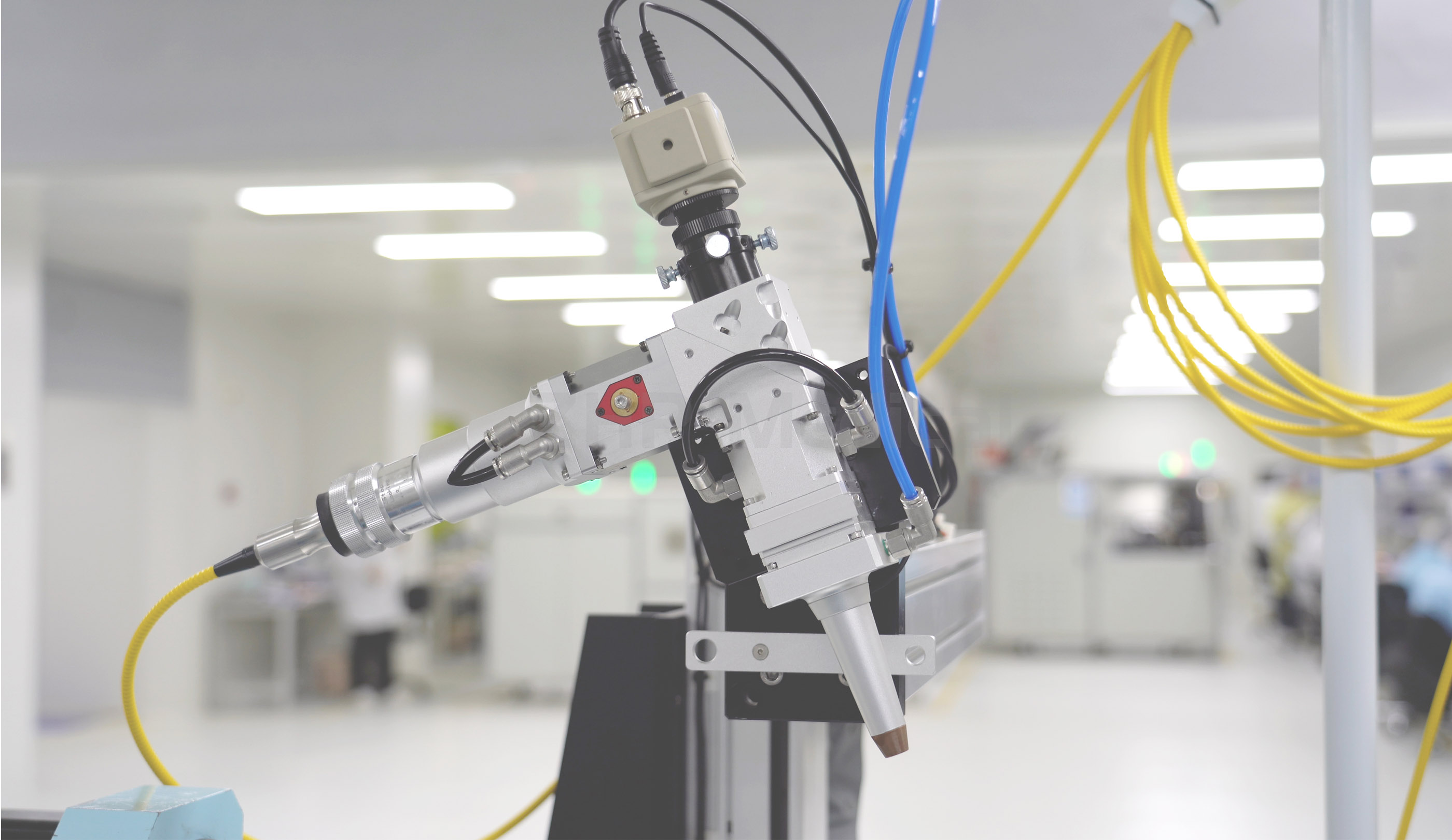
The durability of nitinol cardiovascular devices is critical. These implants must maintain their integrity over time to prevent complications. ZHP Medical supplies high-quality nitinol wire and tubing for these applications. Their advanced laser micromachining and premium surface finishing ensure that stents and guidewires meet strict medical standards.
Minimally invasive surgery relies on devices that are flexible, strong, and safe for the body. Nitinol’s shape memory and superelasticity allow medical devices to adapt to the body’s anatomy. This enhances surgical precision and control. Surgeons use nitinol-based tools for procedures that require delicate navigation and minimal tissue damage.
Property | Contribution to Surgery |
|---|---|
Shape Memory | Enables devices to adapt to the body's anatomy, enhancing surgical precision. |
Superelasticity | Provides flexibility and control during complex procedures, improving navigation. |
Biocompatibility | Ensures patient safety and reduces tissue damage, leading to faster recovery times. |
ZHP Medical supports minimally invasive surgery with a range of nitinol products, including self-expanding stents, stone retrieval baskets, and biopsy devices. Their real-time sampling checks and multi-dimensional testing guarantee consistent quality for all medical devices.
Nitinol continues to expand into new medical applications. In neurosurgery, nitinol is being explored for advanced surgical procedures. Urology benefits from nitinol devices for urinary tract interventions. Spinal implants made from nitinol offer flexibility and durability. Other emerging uses include drug-eluting coatings, bioresorbable materials, sensors, and shape-shifting materials for smart medical systems.
Emerging Applications | Description |
|---|---|
Neurosurgery | Exploration of nitinol in surgical procedures related to the nervous system. |
Urology | Use of nitinol in devices for urinary tract interventions. |
Spinal Implants | Application in spinal surgery for implants that require flexibility. |
Minimally Invasive Systems | Development of delivery systems that reduce recovery time and improve outcomes. |
Drug-Eluting Coatings | Integration with coatings that release medication over time. |
Bioresorbables | Use in materials that can be absorbed by the body after fulfilling their purpose. |
Sensors | Incorporation into devices that monitor physiological parameters. |
Shape-Shifting Materials | Development of smart materials that change shape in response to stimuli. |
ZHP Medical stands out by offering precision raw material quality control, diversified production processes, and full traceability. Their technical support includes professional reports and medical-grade packaging, ensuring every medical device meets the highest standards.
ZHP Medical’s commitment to quality, customization, and technical support makes them a trusted partner for medical device manufacturers worldwide.
Shape memory alloys have become essential in robotics and automation. Nitinol stands out for its ability to mimic muscle-like movement. This material changes shape in response to temperature or electrical current, making it ideal for actuation in robotic systems. Many robots use nitinol to create miniature actuators that deliver smooth, lifelike motion. These actuators are compact and precise actuators, which allow engineers to design smaller and more flexible machines.
Robotic surgery tools benefit from nitinol’s superelasticity and shape memory effect. These properties give the tools enhanced dexterity and precision. In general robotics, nitinol is used in grippers, sensors, and joints. The high force-to-weight ratio of nitinol means that even small actuators can produce significant movement or force. This advantage leads to lighter robots that consume less energy.
The table below highlights the main advantages and growth potential of shape memory alloys in robotics:
Application Area | Key Advantages | Growth Potential |
|---|---|---|
Robotics and Automation | Superelasticity, shape memory, lightweight design | Increasing adoption across fields |
Robotic Surgery Tools | Precision, dexterity, minimally invasive access | Fastest-growing segment |
General Robotics | Use in actuators, grippers, and sensors | Significant demand expected |
Nitinol’s durability and resistance to mechanical stress reduce the need for frequent replacements. This reliability lowers long-term costs and improves performance in demanding environments.
Shape memory alloys have found their way into many everyday products. Nitinol wire is popular in smart systems and home appliances. It responds to temperature changes, allowing devices to perform actions without complex motors or gears. For example, nitinol is used in thermal control systems for appliances and in safety mechanisms for fire detection equipment.
Miniature actuators made from nitinol play a role in passive control systems. These systems include firefighting equipment that deploys safety measures automatically at high temperatures. The high force-to-weight ratio of nitinol wires makes them valuable in vibration control and shock absorption. Products such as seismic protection systems, automotive safety parts, and sports equipment use these properties to improve safety and comfort.
Nitinol also appears in medical devices that expand or contract at body temperature. This feature is important for stents and surgical instruments. In addition, nitinol is used in actuators for consumer electronics and thermal valves. Its energy absorption and damping abilities help protect sensitive equipment from damage.
Tip: The unique properties of shape memory alloys make them a smart choice for engineers who want to design innovative, reliable, and efficient products.
Shape memory alloys and Nitinol offer several advantages that set them apart from traditional metals. These benefits make them valuable in medical, industrial, and consumer applications.
Advantage | Description |
|---|---|
Excellent Biocompatibility | Highly compatible with the human body, ideal for minimally invasive medicine. |
Outstanding Corrosion Resistance | Performs well in harsh environments, comparable to titanium. |
High Fatigue Resistance | Endures millions of cycles of bending and loading, outperforming most metals in dynamic stress. |
Good Kink Resistance | Highly resistant to kinking, crucial for surgical instruments navigating complex paths. |
MRI Compatibility | Non-ferromagnetic, safe for patients undergoing MRI scans, essential for implantable devices. |
Nitinol stands out for its superelasticity. This property allows the material to bend, stretch, or twist and then return to its original shape. Nitinol can handle strains up to 8%, while most traditional metals can only manage less than 1%. This flexibility is important for devices that need to move or adapt to changing conditions.
Other key benefits include:
Nitinol’s high fatigue resistance means it can withstand millions of cycles without breaking.
The alloy resists corrosion, making it suitable for use inside the body or in harsh environments.
Its non-magnetic nature ensures safety during MRI scans, which is critical for implantable medical devices.
Good kink resistance helps surgical tools move through complex pathways without damage.
These advantages explain why engineers and doctors choose Nitinol for advanced applications.
Despite their many strengths, shape memory alloys and Nitinol also face several challenges. Understanding these limitations helps users make informed decisions about their applications.
Microstructural degradation can occur during repeated phase transformations. Over time, this may affect the material’s performance.
Nitinol’s transformation temperatures usually range from -20°C to 100°C. This limits its use in extremely hot or cold environments.
Prolonged exposure to high temperatures can reduce superelastic properties.
Variations in ambient temperature can shift the phase transformation range, which may impact device reliability.
Manufacturing Nitinol requires precise control over temperature and alloy composition. The process uses expensive raw materials like nickel and titanium, leading to higher production costs. Complex manufacturing steps add to these expenses.
Other challenges include:
Repeated mechanical stress can cause fatigue cracks, especially in thin tubes or wires.
Accumulation of microscopic cracks may lead to failure if not managed properly.
Environmental factors, such as humidity or chemical exposure, can influence performance.
Competing materials sometimes offer lower costs or better performance for specific uses.
Note: Proper design and careful operation within the elastic strain limits help reduce fatigue-related issues and extend the life of Nitinol components.
By weighing these benefits and challenges, users can decide if Nitinol and shape memory alloys are the right choice for their needs.
Shape memory alloys are entering a new era of innovation. Many industries are adopting these materials for advanced applications. Several emerging technologies are shaping the future of nitinol and other SMAs:
Medical implants are becoming more advanced. Self-expanding stents and adaptive orthopedic devices now use improved nitinol alloys. These devices can adjust to the body’s needs, which helps patients recover faster and improves long-term outcomes.
Wearable technology and robotics are seeing greater integration of shape memory alloys. Lightweight and energy-efficient actuators and sensors are possible because of the unique properties of nitinol. These components allow for smarter, more responsive devices that can adapt to their environment.
Environmental sustainability is gaining importance. Manufacturers are developing eco-friendly recycling methods for shape memory alloys. These processes reduce waste and support global efforts to protect the environment.
The use of nitinol in these areas highlights its versatility. As technology advances, more products will rely on the shape memory effect and superelasticity to deliver better performance.
The market for shape memory alloys is expanding rapidly. Recent research shows that the shape memory alloys market is expected to grow at a compound annual growth rate of over 14% from 2025 to 2035. Nitinol is projected to lead this growth, with a market value reaching 32 billion USD by 2035.
Biomedical applications offer significant opportunities. The medical device sector is adopting shape memory alloys at a faster rate, especially in North America. Devices such as stents, guidewires, and minimally invasive surgical tools are becoming more common. Asia-Pacific is also emerging as a fast-growing region, particularly in aerospace applications.
Ongoing innovations in materials and manufacturing techniques are improving the performance of shape memory alloys. These advances make it possible to create more reliable and efficient products for robotics, medical devices, and automotive systems. Smart technologies are being integrated into shape memory alloy products, allowing for real-time monitoring and adaptive responses.
Note: The future of nitinol and shape memory alloys looks promising. Continued research and development will unlock new possibilities in medicine, robotics, and beyond.
Shape memory alloys are changing modern technology and daily life.
They improve patient outcomes in medical devices.
They enhance safety and efficiency in automotive innovations.
Their reliability under extreme conditions supports engineering solutions.
The versatility of shape memory nitinol wire, combined with its superelastic properties, continues to drive advancements in fields requiring dynamic adaptability.
Nitinol stents can endure hundreds of millions of heartbeats, and NASA is developing tires for Mars Rovers using this material. The market is projected to reach $15 billion by 2030, with biomedical applications leading the way.
A shape memory alloy is a metal that can return to its original shape after being bent or stretched. This happens when the metal is heated or cooled. These alloys are used in many industries because of their unique properties.
Nitinol is important in medicine because it is flexible, strong, and safe for the body. Doctors use it in stents, guidewires, and surgical tools. Its shape memory effect helps devices work better inside the human body.
Nitinol "remembers" its shape because of a special change in its crystal structure. When heated, the atoms move back to their original positions. This lets the metal return to its set shape after being deformed.
Nitinol is used in robotics, eyeglass frames, and safety devices. It also appears in consumer electronics and smart home systems. Its ability to bend and return to shape makes it valuable in many products.
Yes, Nitinol is safe for implants. It is biocompatible, which means it does not cause harmful reactions in the body. Medical tests show that Nitinol releases very little nickel, staying well below safety limits.
ZHP Medical offers high-quality nitinol wire, tubing, and components. The company uses advanced manufacturing and strict quality control. Customers can request custom solutions and receive technical support for their medical device needs.
Yes, Nitinol can be customized. Manufacturers can adjust its shape memory temperature, size, and form. ZHP Medical provides custom nitinol products to fit unique medical and industrial requirements.
Superelasticity lets Nitinol bend or stretch and then return to its original shape. This property helps devices last longer and perform better, especially in tools that need to move or flex many times.


