Views: 0 Author: Site Editor Publish Time: 2026-06-17 Origin: Site
Have you ever wondered how modern medicine navigates the complexities of the human body? Superelastic nitinol wire plays a crucial role in this process. In this article, we’ll explore its unique properties and applications in guidewire manufacturing. You’ll learn how this remarkable material enhances medical devices and improves patient outcomes.
Superelastic nitinol wire is renowned for its remarkable shape memory effect, which allows it to return to a predetermined shape after deformation. This unique characteristic is a result of the material's ability to undergo phase transformations between two distinct crystal structures: austenite and martensite. At higher temperatures, nitinol exists in the austenitic phase, which is stable and retains its original shape. Conversely, when cooled, it transforms into the martensitic phase, which is more pliable and can be easily deformed.
This shape memory effect is particularly beneficial in medical applications, as it allows devices made from nitinol to be inserted into the body in a compact form. Once they reach body temperature, they expand to their original shape, providing effective support or functionality within the anatomical structure. For instance, nitinol stents can be compressed for delivery through a catheter and then expand to fit the vessel walls once deployed.
Superelasticity is another critical property of nitinol, allowing it to undergo significant deformations and return to its original shape without permanent damage. This property is especially valuable in dynamic environments, such as the human body, where tissues and vessels are constantly moving. Superelastic nitinol can withstand strains of up to 8% without fracturing, making it ideal for medical devices that experience repetitive stress.
In practical terms, this means that nitinol guidewires can navigate complex vascular pathways without kinking, thus reducing the risk of complications during procedures. The ability to recover from deformation ensures that these devices maintain their effectiveness over time, which is crucial for patient safety and successful outcomes in minimally invasive surgeries.
Biocompatibility is a vital consideration for any material used in medical applications, and nitinol excels in this area. When exposed to biological fluids, nitinol forms a stable titanium oxide layer on its surface. This layer provides excellent corrosion resistance and prevents the leaching of potentially harmful nickel ions into surrounding tissues. The biocompatibility of nitinol minimizes the risk of inflammatory reactions, making it suitable for long-term implantation in the body.
Moreover, nitinol's ability to endure repeated sterilization processes without degradation enhances its appeal for medical instruments. Devices made from nitinol, such as stents, guidewires, and orthodontic tools, can be safely used in various procedures, ensuring they remain effective over their intended lifespan.
In summary, the combination of the shape memory effect, superelasticity, and biocompatibility makes superelastic nitinol wire an exceptional choice for medical applications. These properties not only enhance the performance of medical devices but also improve patient outcomes by enabling safer and more effective treatment options.
Tip: When selecting nitinol wire for medical applications, ensure it meets established biocompatibility standards to minimize the risk of adverse reactions.
Superelastic nitinol wire has revolutionized medical device manufacturing, especially in guidewire applications. Its unique properties, such as shape memory and superelasticity, make it an ideal choice for various medical instruments.
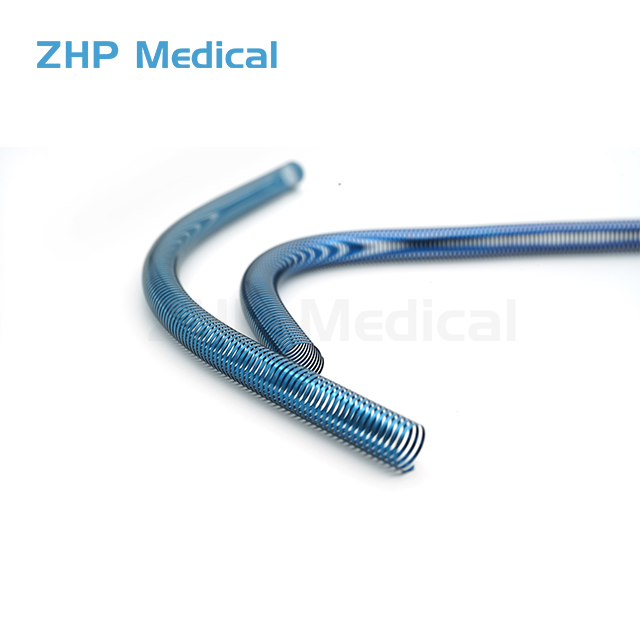
Nitinol guidewires are essential tools in minimally invasive procedures. They excel in navigating complex vascular pathways due to their flexibility and strength. For instance, during catheter placements, nitinol guidewires can be bent and maneuvered through tight spaces without kinking or breaking. This ability significantly reduces the risk of complications during procedures, enhancing patient safety.
The shape memory effect of nitinol allows these guidewires to return to their original shape after deformation. This means they can be compressed for insertion and then expand to their predetermined shape once inside the body. This feature is particularly beneficial in interventional cardiology, enabling precise catheter placements and supporting the deployment of stents.
In addition to guidewires, superelastic nitinol wire plays a crucial role in the manufacturing of stents and catheters. Nitinol stents can be inserted in a compressed state, allowing for easier navigation through blood vessels. Once positioned correctly, they expand to support the vessel walls, restoring blood flow effectively.
The superelastic properties of nitinol ensure that these stents can withstand the dynamic movements of the body. They absorb mechanical stress without permanent deformation, which is vital for long-term implantation. This durability reduces the need for revision surgeries, ultimately benefiting patients and healthcare providers alike.
Catheters made from nitinol wire also benefit from its unique characteristics. They can navigate complex anatomical structures while maintaining their integrity. This flexibility is crucial during procedures such as angioplasty, where precise maneuvering is essential for success.
Beyond vascular applications, superelastic nitinol wire is increasingly used in orthodontic and surgical instruments. In orthodontics, nitinol archwires provide consistent, gentle forces for tooth movement. Their ability to return to a predetermined shape means they can effectively guide teeth into their desired positions over time.
In surgical instruments, nitinol's flexibility and strength make it an excellent choice for tools that require precision and durability. For example, nitinol-based surgical staples can adapt to the contours of tissues, ensuring secure closures while minimizing trauma to surrounding areas.
In summary, the applications of superelastic nitinol wire in guidewires, stents, catheters, and surgical instruments showcase its versatility and importance in modern medicine. By enhancing the performance of medical devices, nitinol contributes to safer, more effective treatment options for patients.
Tip: When selecting nitinol wire for medical applications, consider its specific properties and ensure it meets the necessary biocompatibility standards for optimal performance.
The manufacturing of superelastic nitinol wire involves several critical steps that ensure the wire's unique properties are preserved and enhanced for medical applications. Understanding this process is essential for manufacturers and healthcare providers alike, as it directly impacts the performance and reliability of devices made from this remarkable material.
Superelastic nitinol is primarily composed of nickel and titanium, typically with a nickel content ranging from 50% to 56%. The precise ratio is crucial as it influences the wire's transformation temperatures and mechanical properties. Manufacturers carefully control the alloying process to achieve the desired characteristics, such as superelasticity and biocompatibility. Variations in composition can lead to differences in performance, making it essential for producers to adhere to strict specifications and standards.
After alloying, the nitinol undergoes several heat treatment processes. These treatments are vital for determining the wire's mechanical properties. The first step involves solution treatment, where the alloy is heated to a high temperature and then rapidly cooled. This process helps to stabilize the austenite phase, which is essential for achieving superelastic behavior.
The next step is aging, where the wire is held at a lower temperature for a specific duration. This process allows for the precipitation of fine particles within the alloy, enhancing its strength and elasticity. The temperature and duration of aging are carefully controlled to ensure optimal performance.
Drawing the wire into its final diameter is another crucial step. This process involves pulling the wire through a series of dies, which reduces its diameter while increasing its length. The drawing process must be performed with precision to avoid introducing defects that could compromise the wire's performance.
Quality control is paramount in the manufacturing of superelastic nitinol wire. Manufacturers implement rigorous testing protocols to ensure that each batch meets established standards. This includes evaluating tensile strength, fatigue resistance, and dimensional accuracy. Non-destructive testing methods, such as ultrasonic testing, are also employed to detect internal flaws without damaging the wire.
Additionally, biocompatibility testing is essential for medical applications. Manufacturers must ensure that the nitinol wire will not cause adverse reactions when implanted in the body. This involves extensive in vitro and in vivo studies, which help validate the safety and efficacy of the material.
In summary, the manufacturing process of superelastic nitinol wire is complex and requires careful attention to detail. From alloying and heat treatment to quality control, each step plays a crucial role in producing a high-quality product suitable for various medical applications.
Tip: When sourcing superelastic nitinol wire, ensure the manufacturer follows stringent quality control measures to guarantee optimal performance and safety in medical applications.
Superelastic nitinol wire offers several significant advantages, making it a preferred choice in medical applications. Its unique properties enhance the performance and reliability of medical devices, particularly in minimally invasive procedures.
One of the standout features of superelastic nitinol wire is its exceptional flexibility. This flexibility allows the wire to navigate complex anatomical pathways without compromising its structural integrity. For instance, during procedures like catheter placements, nitinol wires can bend and maneuver through tight spaces, ensuring effective navigation in challenging environments. The ability to flex without breaking is crucial, especially in dynamic settings like the human body, where tissues and vessels are constantly moving.
Moreover, nitinol wire is incredibly durable. It can withstand repeated stress and deformation without permanent damage. This durability is particularly important for devices like guidewires and stents that experience continuous movement and pressure. Thanks to its superelastic properties, nitinol wire can endure strains of up to 8% and return to its original shape, making it reliable for long-term use.
Another significant advantage of superelastic nitinol wire is its reduced risk of kinking and breakage. Traditional guidewires made from stainless steel are often prone to kinking, which can lead to complications during procedures. In contrast, nitinol’s superelasticity allows it to recover from deformation, minimizing the chances of kinking. This feature is particularly beneficial in vascular procedures, where navigating through complex pathways is crucial for success.
The ability of nitinol wire to maintain its shape and integrity during manipulation reduces the risk of complications. Surgeons can confidently use nitinol guidewires, knowing they can navigate through tight spaces without the fear of the wire breaking or kinking.
While the initial cost of superelastic nitinol wire may be higher than traditional materials, its long-term benefits can outweigh these costs. The durability and reliability of nitinol wire contribute to fewer complications and revisions, translating into cost savings for healthcare providers. For example, devices that require less frequent replacements or revisions lead to reduced healthcare costs and improved patient outcomes.
Additionally, the enhanced performance of nitinol wire can lead to shorter procedure times. This efficiency not only benefits patients but also allows healthcare facilities to treat more patients, ultimately increasing throughput and revenue.
In summary, the advantages of using superelastic nitinol wire include its flexibility and durability, reduced risk of kinking and breakage, and cost-effectiveness. These benefits make it an ideal choice for various medical applications, enhancing the safety and effectiveness of minimally invasive procedures.
Tip: When selecting superelastic nitinol wire for medical applications, consider its flexibility and durability to ensure optimal performance in complex procedures.
One of the primary challenges in the production of superelastic nitinol wire is the variability in properties among different manufacturers. The composition of nitinol, which typically consists of nickel and titanium, can vary slightly based on the specific alloying process used. Even small changes in the nickel-to-titanium ratio can significantly affect the wire's mechanical properties, such as elasticity, strength, and biocompatibility. Consequently, healthcare providers must be cautious when selecting nitinol wire for medical applications, as inconsistent quality can lead to complications during procedures.
Manufacturers must adhere to strict quality control measures to ensure uniformity in their products. This includes rigorous testing for tensile strength, fatigue resistance, and dimensional accuracy. By implementing standardized protocols, manufacturers can minimize variability and enhance the reliability of nitinol wire across different batches.
While superelastic nitinol wire is generally regarded as biocompatible, there are still challenges related to long-term interactions with human tissue. The nickel content in nitinol, which can be around 50%, raises concerns about potential allergic reactions or cytotoxicity in some patients. Although nitinol forms a protective titanium oxide layer that reduces nickel ion release, ongoing research is needed to understand the long-term effects of nitinol implants.
To address these biocompatibility challenges, manufacturers are exploring various surface treatments and coatings. These enhancements can further reduce the risk of adverse reactions and improve the overall safety profile of nitinol wire. For instance, applying biocompatible coatings can create an additional barrier, preventing the leaching of nickel ions and promoting better integration with surrounding tissues.
The future of superelastic nitinol wire technology is promising, with ongoing research and innovations aimed at enhancing its properties and expanding its applications. Scientists are investigating new alloy compositions and processing techniques to improve the performance of nitinol wire. For example, developing advanced composite materials that combine nitinol with other metals could lead to improved mechanical properties and biocompatibility.
Additionally, the integration of smart technologies into nitinol wire is an exciting direction for future research. By incorporating sensors or actuators, nitinol devices could provide real-time feedback on their performance within the body, allowing for more precise medical interventions. This could revolutionize minimally invasive procedures by enabling healthcare providers to monitor device behavior dynamically.
Furthermore, as the demand for personalized medicine grows, the ability to tailor nitinol wire to specific patient needs will become increasingly important. Customizing the wire's properties based on individual anatomy or clinical requirements could enhance treatment outcomes and patient safety.
In summary, while challenges such as variability in properties and biocompatibility issues exist, the future of superelastic nitinol wire technology holds great potential. Ongoing research and innovation will likely lead to improved materials and applications, solidifying nitinol's role as a cornerstone in modern medicine.
Tip: When selecting superelastic nitinol wire, ensure the manufacturer follows stringent quality control measures to guarantee optimal performance and safety in medical applications.
Superelastic nitinol wire offers unique benefits, including flexibility, durability, and reduced risk of kinking. These properties enhance the performance of guidewires in complex vascular procedures, ensuring patient safety and successful outcomes. The future outlook for superelastic nitinol wire in healthcare is promising, with ongoing innovations aimed at improving its properties and applications. ZHP Medical is committed to providing high-quality nitinol wire that adds value to medical devices, enhancing treatment options for patients and healthcare providers alike.
A: Superelastic Nitinol Wire is an alloy of nickel and titanium known for its unique properties, including shape memory and superelasticity, making it ideal for medical applications like guidewires.
A: Superelastic Nitinol Wire is used in guidewire manufacturing due to its flexibility and ability to navigate complex vascular pathways without kinking or breaking.
A: Superelastic Nitinol Wire is preferred in medical devices because of its durability, biocompatibility, and ability to withstand repeated stress, enhancing patient safety.
A: The costs of Superelastic Nitinol Wire may be higher than traditional materials, but its long-term benefits, such as reduced complications and revisions, can lead to overall cost savings.
A: If you encounter issues with Superelastic Nitinol Wire, ensure proper handling techniques and check for any signs of damage or deformation before use.